


The right coat does more than keep you warm, it frames your presence, completes your silhouette, and quietly communicates your standards every time you enter a room.
Key Takeaways
| Question | Essential Answer |
|---|---|
| 1. What makes an “ideal” men’s coat? | A balance of style, fit, and materials that suits your lifestyle and climate. Explore refined Italian options in our curated Kiton coats collection. |
| 2. Which fabric should I choose for a daily winter coat? | High quality wool or cashmere blends offer warmth, durability, and elegance. Our wool overcoats selection is designed exactly for this purpose. |
| 3. How long should a classic overcoat be? | For business and formal wear, knee length or slightly below is timeless. For more relaxed use, mid-thigh works well, as seen in our tailored overcoats collection. |
| 4. Is vicuña really worth it? | Vicuña is the “noble fiber” of outerwear, chosen for clients who value rarity and lightness above all. You can review options in our dedicated vicuña overcoats collection. |
| 5. How can I be sure the coat is truly handmade in Italy? | Look for consistent hand-stitching, balanced proportions, and responsible provenance. We curate only authentic pieces in our handmade coats selection. |
| 6. What if I prefer a lighter, transitional coat? | Unstructured cotton and technical blends are ideal between seasons. You will find refined options in our cotton coats & jackets collection. |
| 7. Where can I start if I want just one versatile coat? | A dark wool or cashmere overcoat in navy, charcoal, or black is the most adaptable choice. Our home selection highlights some of the most requested models. |
1. How To Think About The “Ideal” Coat: Lifestyle, Climate, Occasion
Before discussing lapels and linings, we always start with your reality: where you live, how you work, and how you travel.
An Italian handmade coat should serve you, not the other way around, so the ideal piece matches your daily wardrobe rather than a hypothetical one.
Define your usage first
- Business and formal: You need a coat that covers a suit jacket comfortably, with a clean, structured shoulder.
- Smart casual: A slightly softer construction and more relaxed fabric, from cotton to lighter wools, works best.
- Weekends and travel: You can allow for more character, textures, and technical blends that resist creasing.
Climate is decisive. A New York or Munich winter does not forgive a purely aesthetic choice, while a Milan or Paris season allows slightly lighter constructions.
Our role is to align Italian sartorial tradition with your actual schedule, so that the coat you select becomes the piece you instinctively reach for.


2. Choosing The Right Coat Length And Silhouette
Length is one of the first things people notice, even if they do not consciously analyse it.
The correct proportion respects your height, builds presence, and helps you move naturally in both city streets and private settings.
Classic lengths that work
- Above the knee / mid-thigh: Versatile, modern, ideal over tailoring and knitwear.
- Knee length: The purest business and formal proportion, especially suitable for taller physiques.
- Below the knee: A statement, very elegant when the fabric is light and drapes softly.
Silhouette also matters. A slight taper at the waist keeps the coat masculine without being restrictive, while the shoulder line should echo your natural build, not exaggerate it.
Our Italian partners, such as Kiton, cut their overcoats to respect this balance between structure and comfort, so the coat looks composed even when worn open.

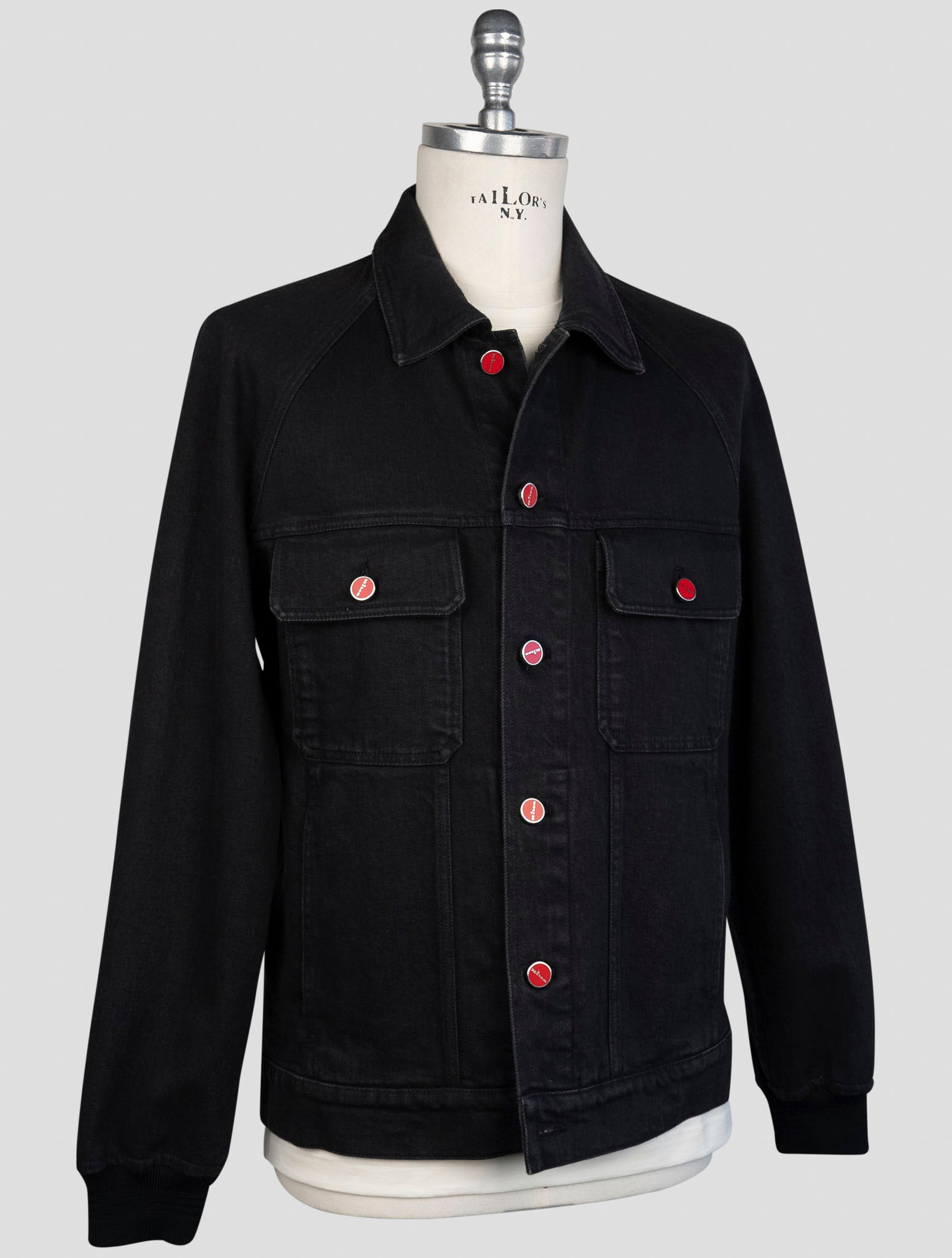
3. Materials 101: Wool, Cashmere, Cotton, Leather, Vicuña
Material is where Italian outerwear truly shows its character, both visually and in how it feels on the shoulders.
We advise clients to think in terms of “performance plus pleasure”, meaning the fabric must protect you, but also be a pleasure to wear for several hours.
The main categories
- Pure wool and wool blends: Reliable warmth and structure for business and daily wear.
- Cashmere and cashmere blends: Softer hand, richer drape, ideal when you want quiet luxury.
- Cotton and technical mixes: Perfect for transitional seasons and travel, especially when you desire less formality.
- Leather and suede: Strong personality pieces for weekends, casual dinners, or a more assertive style.
- Vicuña: The pinnacle, for those who appreciate the rarest fibers and weightless warmth.
Within each category, details such as micron count, weaving technique, and internal construction separate an average coat from a heritage piece.
In Napoli, for instance, workshops still treat fabric selection almost as a ritual, matching the weight and texture to the exact intended usage of the coat.
Discover the practical guide to selecting the ideal men's coat. Focused on style, fit, and materials, with actionable tips from Mr. Porkamo.
4. Understanding Micron Wool And Why 14 Micron Matters
Clients often ask us what “14 micron” actually means on a label.
In simple terms, it measures the fineness of the fiber, and 14 microns belongs firmly in the world of haute gamme luxury.
Why you feel the difference
- Softer touch: Finer fibers create an almost cashmere-like feel, even in pure virgin wool.
- Better drape: The coat falls more cleanly along the body, which is especially visible when worn open.
- Refined appearance: The surface looks smoother and more luminous, without shine.
A Kiton overcoat in 14 micron wool is not only warm, it is also impressively light, which many of our international clients appreciate during travel.
This level of material refinement is one of the quiet joys of Italian tailoring, understood fully only after years of wearing such garments.

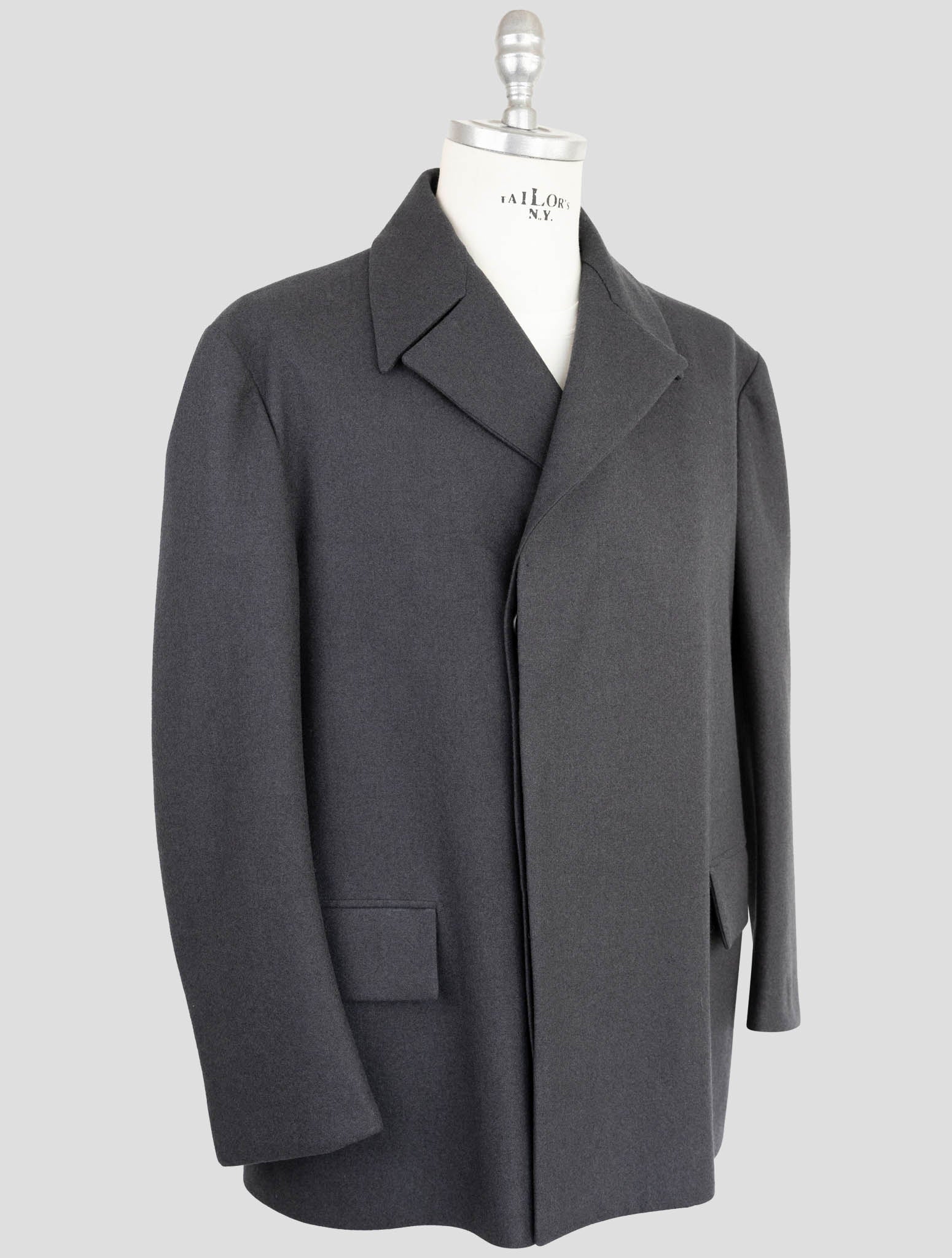
5. Cashmere Overcoats: When You Want Discreet Luxury
Cashmere is often the point where a coat becomes a personal indulgence as much as a practical choice.
For us, a proper cashmere overcoat must balance softness and recovery, so it resists wear while remaining unmistakably luxurious to the touch.
Where cashmere excels
- Winter business travel: Lightness on the shoulders, excellent insulation, easy to wear over a suit.
- Evening occasions: A navy or deep blue cashmere reads as impeccably formal without any need for logos.
- Smart weekends: Over knitwear and denim, cashmere creates a relaxed but unmistakably elevated impression.
Italian makers often blend a small percentage of elastane or similar fibers with cashmere to improve durability and comfort, a choice we endorse when it is done discreetly.
For many of our clients, a blue cashmere overcoat becomes the most worn piece in their winter wardrobe after one season.

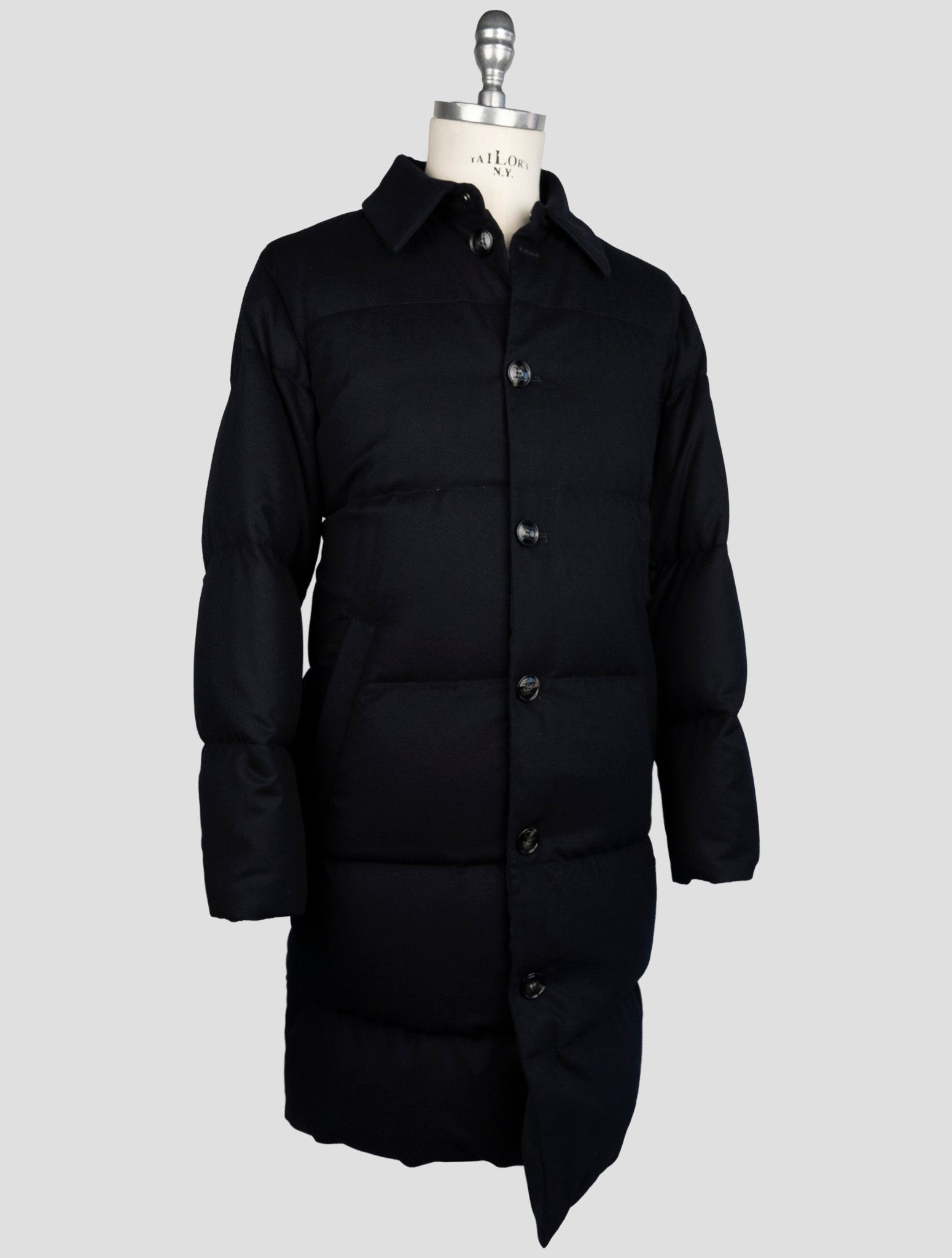
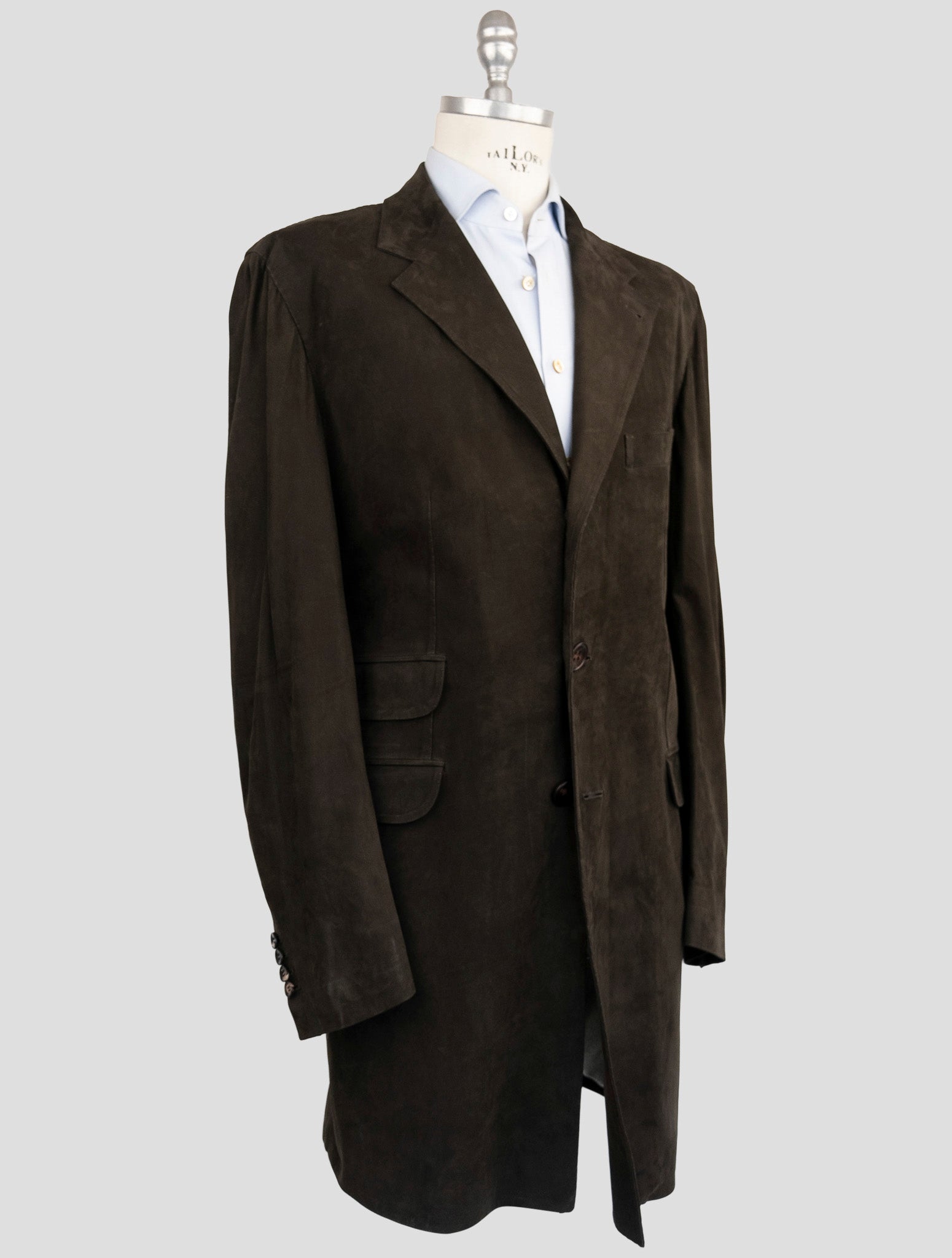
6. Leather & Suede Coats: Character And Italian Attitude
Leather and suede coats are chosen by men who already own classic wool or cashmere pieces and now want something with more personality.
In Italy, a suede overcoat is often worn over fine gauge knitwear, creating a look that is both confident and highly tactile.
When a leather coat is appropriate
- Informal business settings: Paired with tailored trousers and a turtleneck, it remains refined.
- Evening and weekend: Ideal with denim, boots, and a cashmere scarf.
- Dry climates: Suede is best in conditions where rain is not constant.
A high quality Italian suede overcoat should feel supple, almost like a second skin, and will age gracefully if properly cared for.
For our clients, such a piece often becomes the “off duty” signature coat that still respects the standards of their business wardrobe.
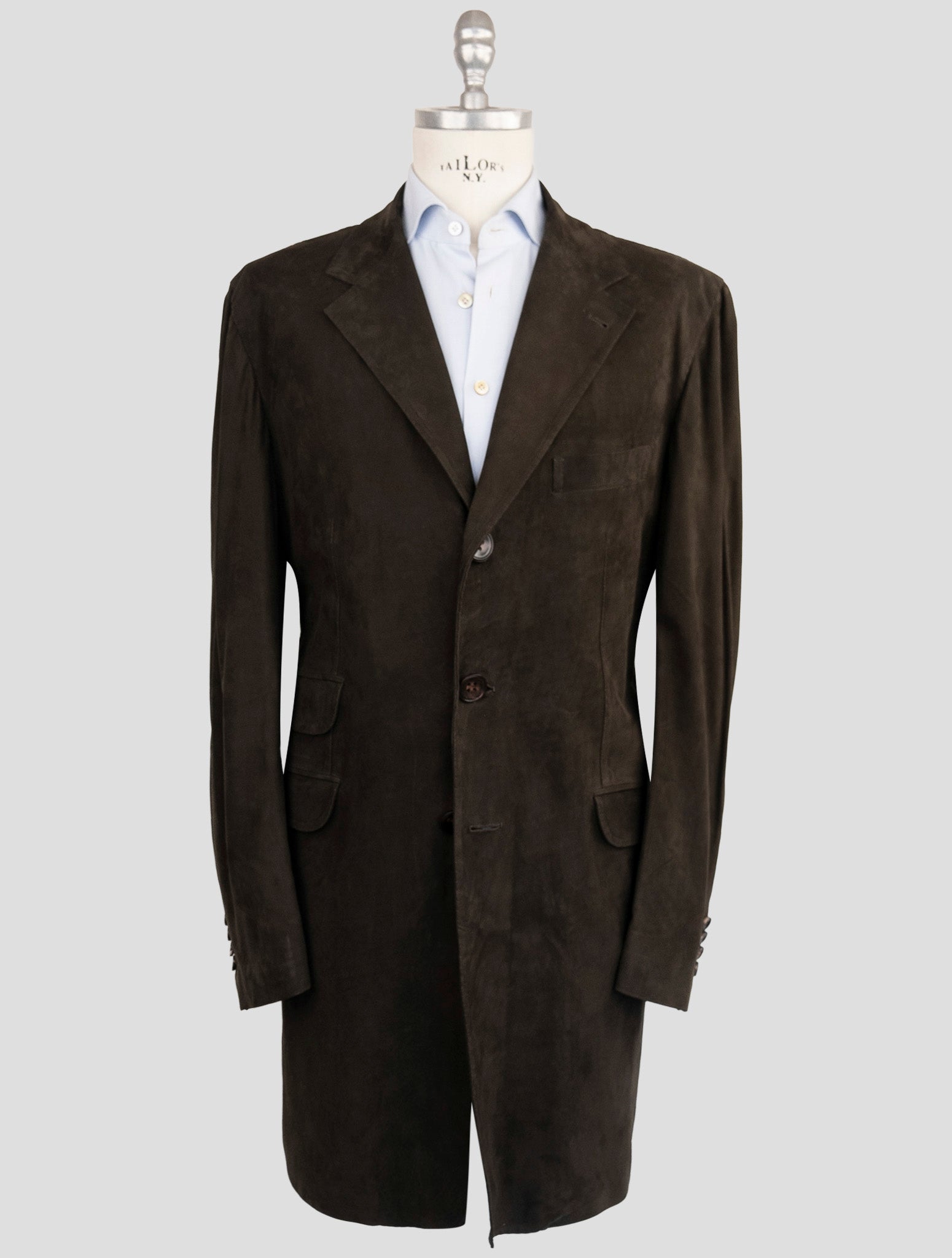
7. Cotton And Technical Coats For Transitional Seasons
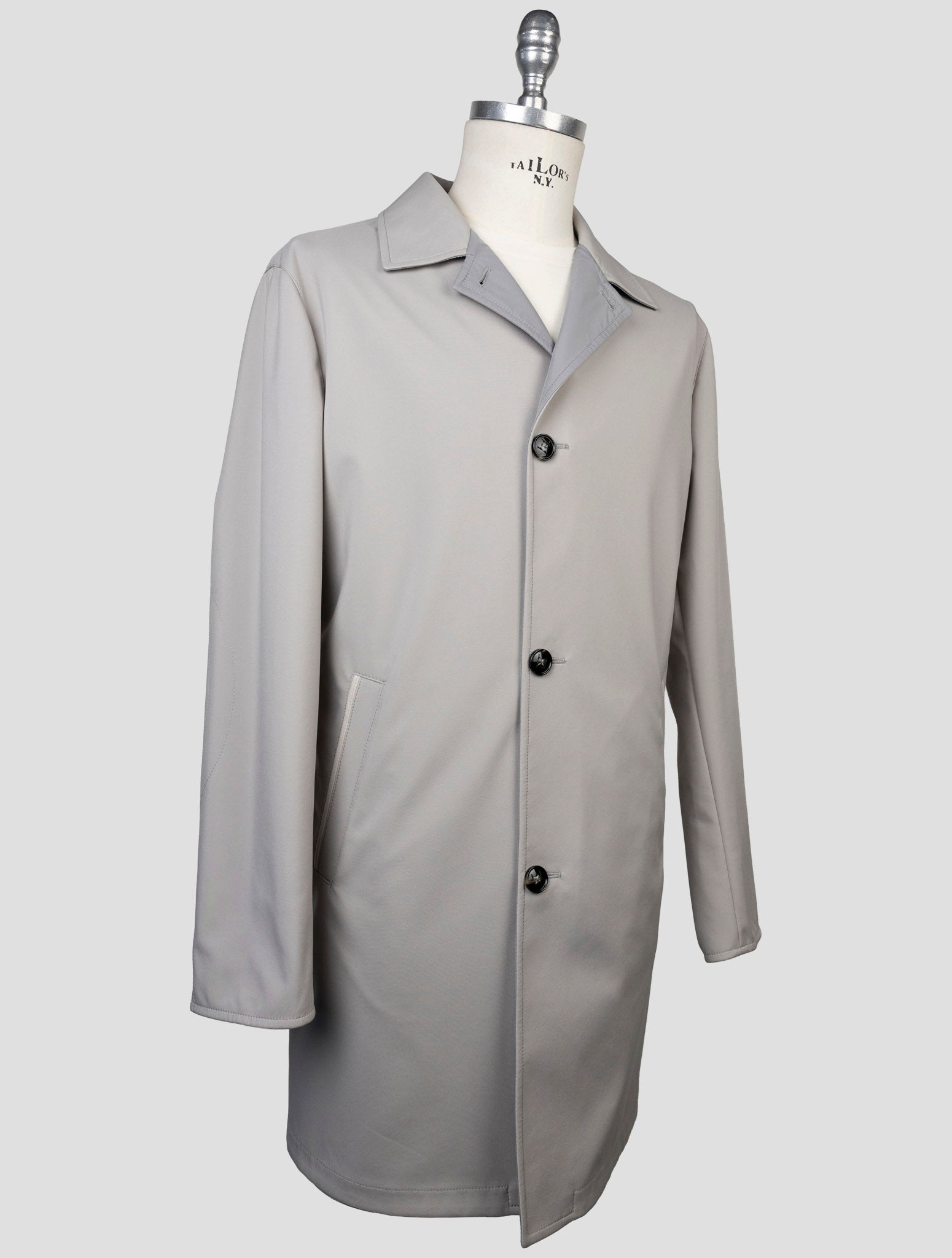
Not every day calls for heavy wool or cashmere, and this is where cotton and blends become essential.
We recommend such coats for spring, early autumn, or mild winters, especially in cities with changeable weather.
What to look for in cotton outerwear
- Compact weave: To resist wind and light rain without unnecessary bulk.
- Clean lines: So the coat remains appropriate over tailoring, not only casual clothing.
- Subtle stretch: A small technical component can increase comfort, especially for travel.
A gray or beige cotton coat is an excellent companion for business trips, combining practicality with a level of polish that a pure technical jacket rarely achieves.
We often guide clients towards reversible or lightly lined models to extend their usefulness across several months.

8. Handmade Italian Coats: What You Really Pay For
“Fatto a mano” should mean more than a label, it should be visible in every line of the coat.
When we select handmade coats, we look for signs of true sartorial work rather than simple marketing language.
Key indicators of authentic handwork
- Hand-stitched buttonholes: Slightly irregular, but harmonious, with dense stitching.
- Soft, natural shoulder: Built with inner canvases that move with the body, not hard padding.
- Balanced lapels: They roll gently rather than lying flat, especially in double-breasted models.
Italian handmade coats often require dozens of hours of work, including hand-setting sleeves and carefully pressing the fabric into its final shape.
This is the level of craft that allows a coat to age beautifully across many seasons, instead of simply surviving them.

9. Fit Guidelines: How A Coat Should Sit On Your Body
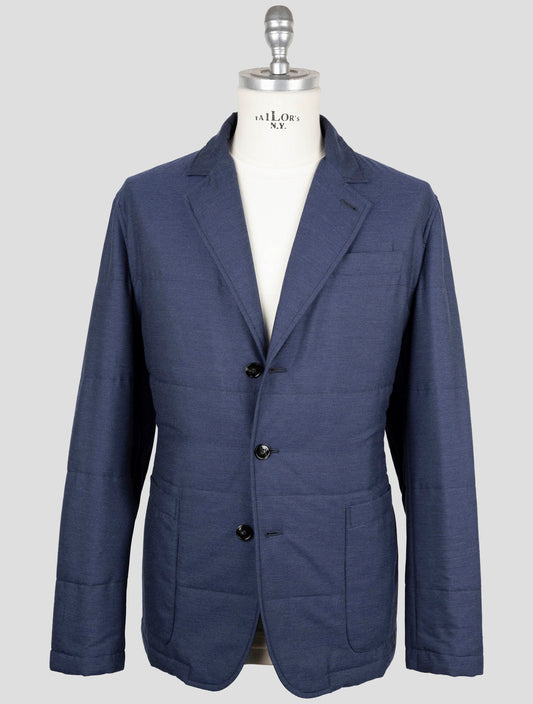
Even the finest material cannot compensate for a poor fit.
When we work with clients, we focus on a few critical points that ensure the coat feels natural from the first wear.
Checklist for a correct fit
- Shoulders: The seam should meet the natural end of your shoulder, without overhang or tension.
- Chest: Button the coat, you should be able to slide a hand between chest and cloth without strain.
- Sleeve length: Ideally, the sleeve ends at the wrist bone, allowing a small part of the shirt or jacket cuff to appear if desired.
- Movement: You should be able to drive, reach, and walk quickly without feeling restricted.
A well-cut Italian coat will feel slightly close when new, then open and adapt subtly to your posture over time.
Our advice is always to choose precision rather than excess room, while respecting the layering you realistically use: suit, blazer, or only knitwear.


10. Building A Small, Cohesive Coat Wardrobe
Many of our clients do not want ten coats, they want three that are perfectly chosen.
A focused selection covers business, travel, and free time without repetition.
A practical three-coat system
- Formal / business coat: Dark wool or cashmere, knee length, structured enough to wear over suiting.
- Transitional cotton or technical coat: For rain, travel, and lighter climates.
- Character coat: Suede, bold color, or special fabric like 14 micron wool, for personal expression.
Within this framework, you can still choose navy, charcoal, or brown according to your existing wardrobe.
The goal is simple, every time you open your wardrobe, at least one coat feels exactly right for that day.


Conclusion
The ideal men’s coat is not an abstract concept, it is the piece that quietly answers your needs for style, fit, and materials day after day.
As curators and guardians of Italian sartorial heritage, we design our selection so that each coat, from cashmere overcoat to cotton travel piece, can legitimately be “the one” for a specific moment in your life.
If you wish to refine your outerwear wardrobe with discretion and precision, we are here to guide you through every detail, from micron counts to shoulder lines, in the Italian spirit of thoughtful, enduring elegance.